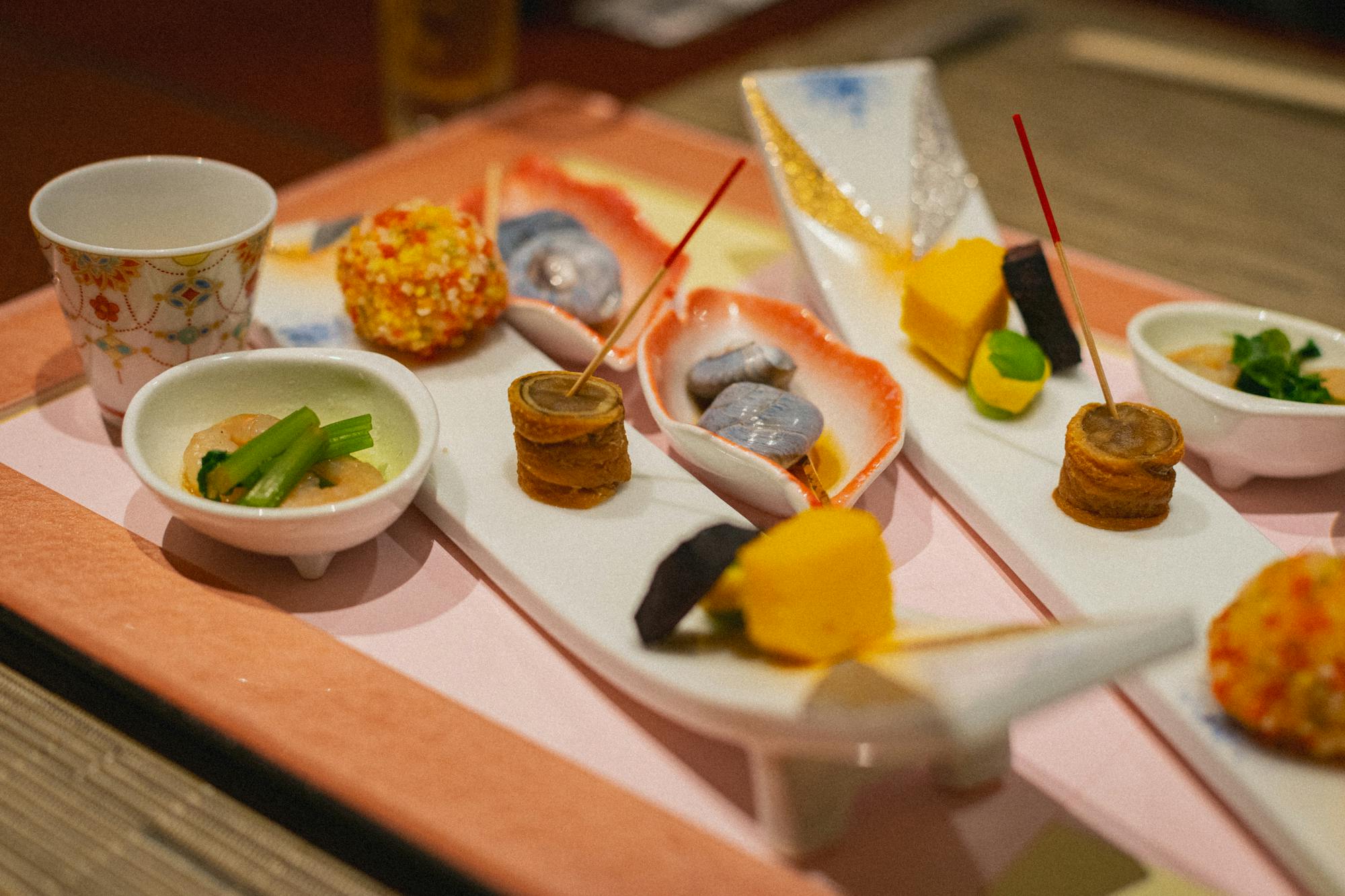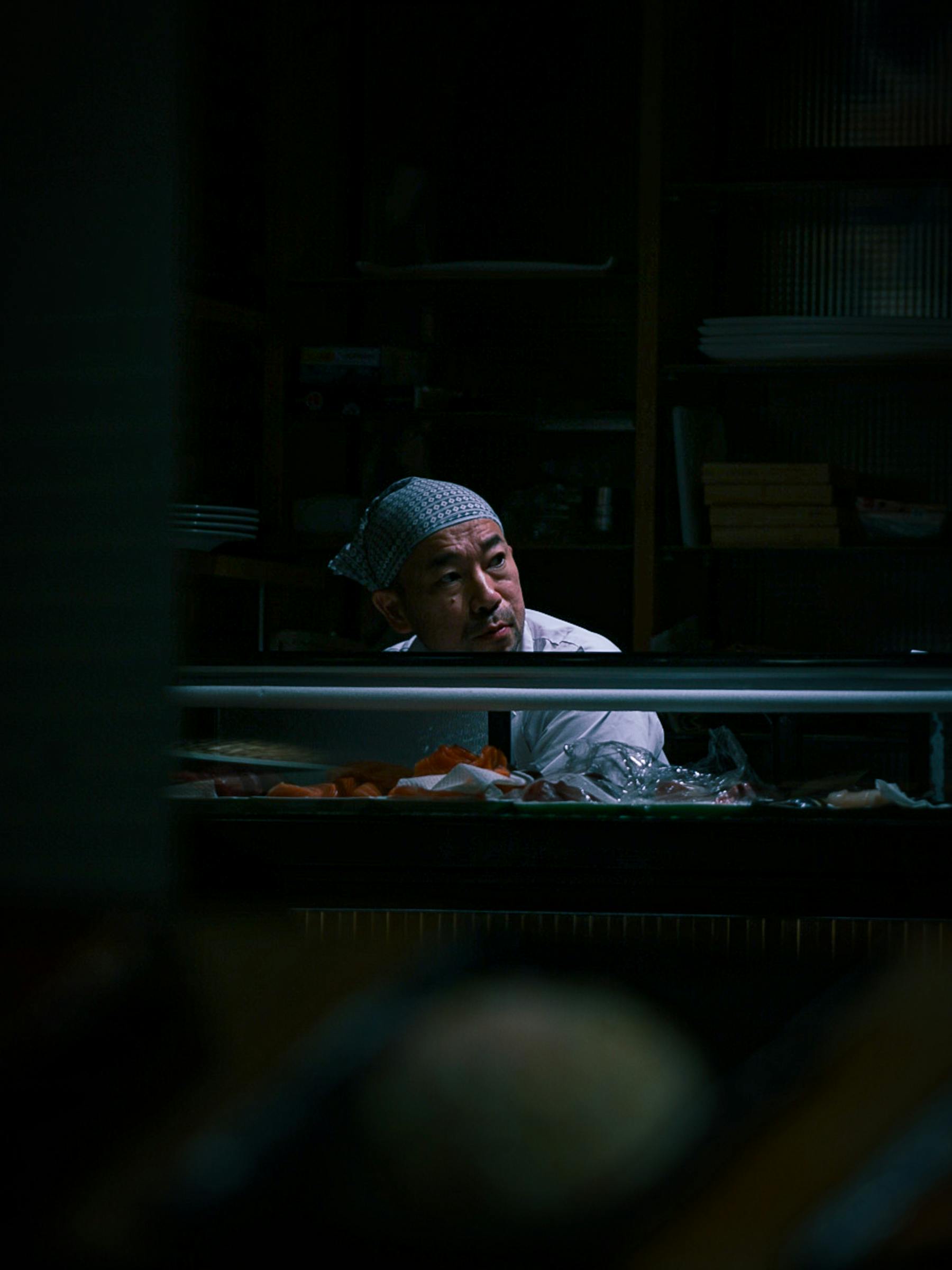
The discipline of less.
Most luxury concepts grow by addition — more tables, more courses, more noise. We wanted the opposite.
Kurosei was built around a short list of principles. Seat fewer guests. Source specifically. Plate with restraint. Let the sequence do the work. The result is a meal that feels quieter, not smaller.
What we remove is as considered as what we keep. No prescribed ceremony. No pre-printed menus. No ornamental gestures at the plate. The work is visible enough to feel present; the performance is never the point.
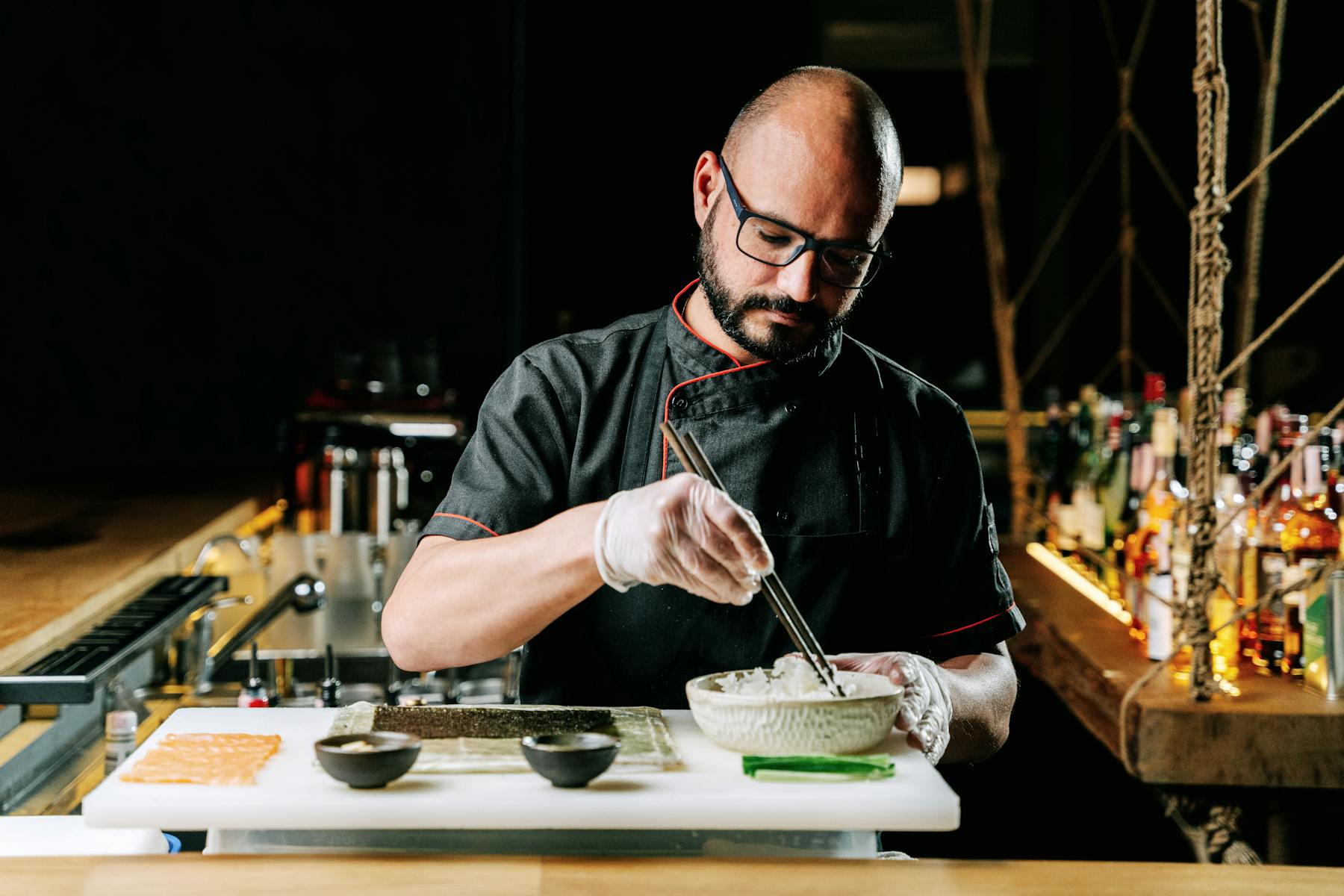
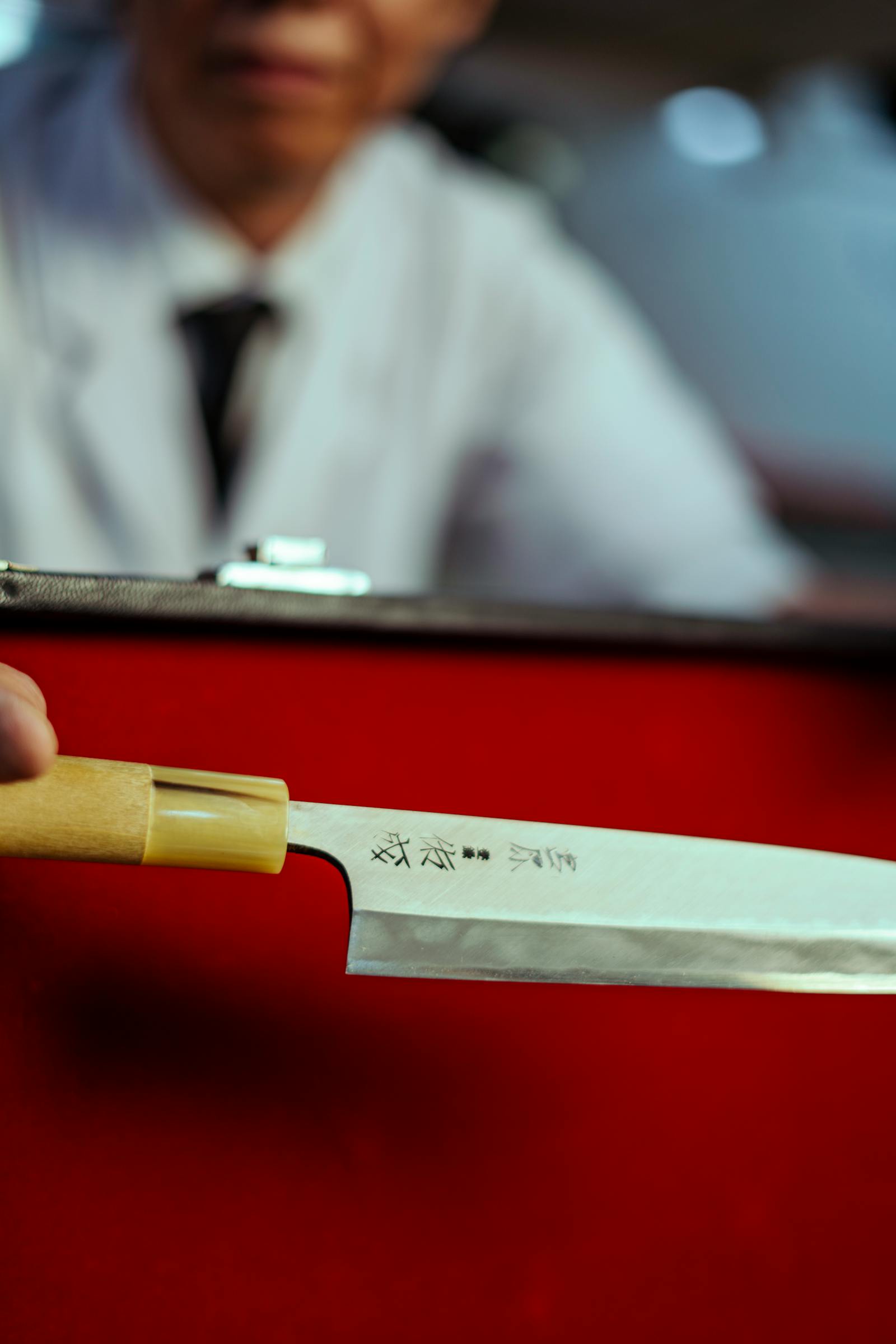
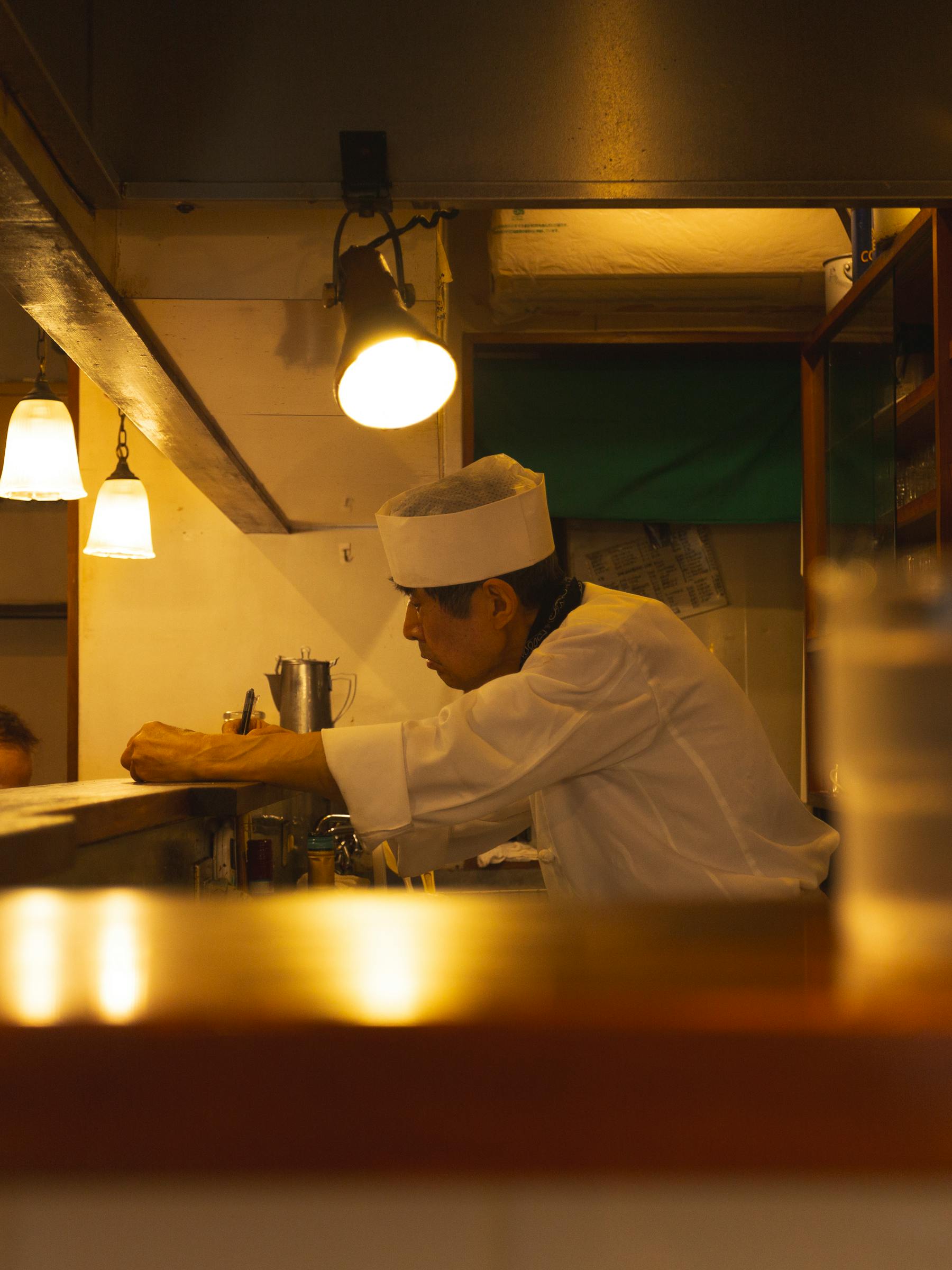
Chef Ren Takahashi.
Chef Ren began his training in Tokyo's traditional Edomae sushi kitchens, where the fundamentals of rice, blade, and sequence are learned over years rather than seasons. After apprenticeship, he spent time in modern fine-dining kitchens across Hong Kong and Singapore — working with chefs whose approach to discipline, composition, and sourcing shaped his thinking.
He founded Kurosei to bring those two worlds into a single room: the rigour of classical sushi training and the restrained, material-driven sensibility of contemporary fine dining. The restaurant bears his name in form — 黒精 — ink and precision, quietly stated.
"The meal should feel inevitable. Every element placed for the guest, never toward them." — Chef Ren Takahashi
A quiet arc.
-
2002
Apprenticeship · Tokyo
Eight-year traditional apprenticeship at an Edomae sushi counter in Ginza, working rice and blade under a single master.
-
2011
Second post · Tokyo
Senior chef de partie at a two-counter omakase concept focused on seasonal sourcing and pacing.
-
2015
Move to Hong Kong
Head sushi chef at a modern Japanese fine-dining restaurant; first structured collaboration with a European sommelier on pairing discipline.
-
2019
Singapore
Executive sushi chef at an omakase concept in Singapore; the groundwork for Kurosei is drafted over three years of notebooks and menu tests.
-
2024
Kurosei opens · Duxton Hill
Fourteen seats. Eight private dining seats. A single concept, held steady.
Material, light, and the absence of noise.
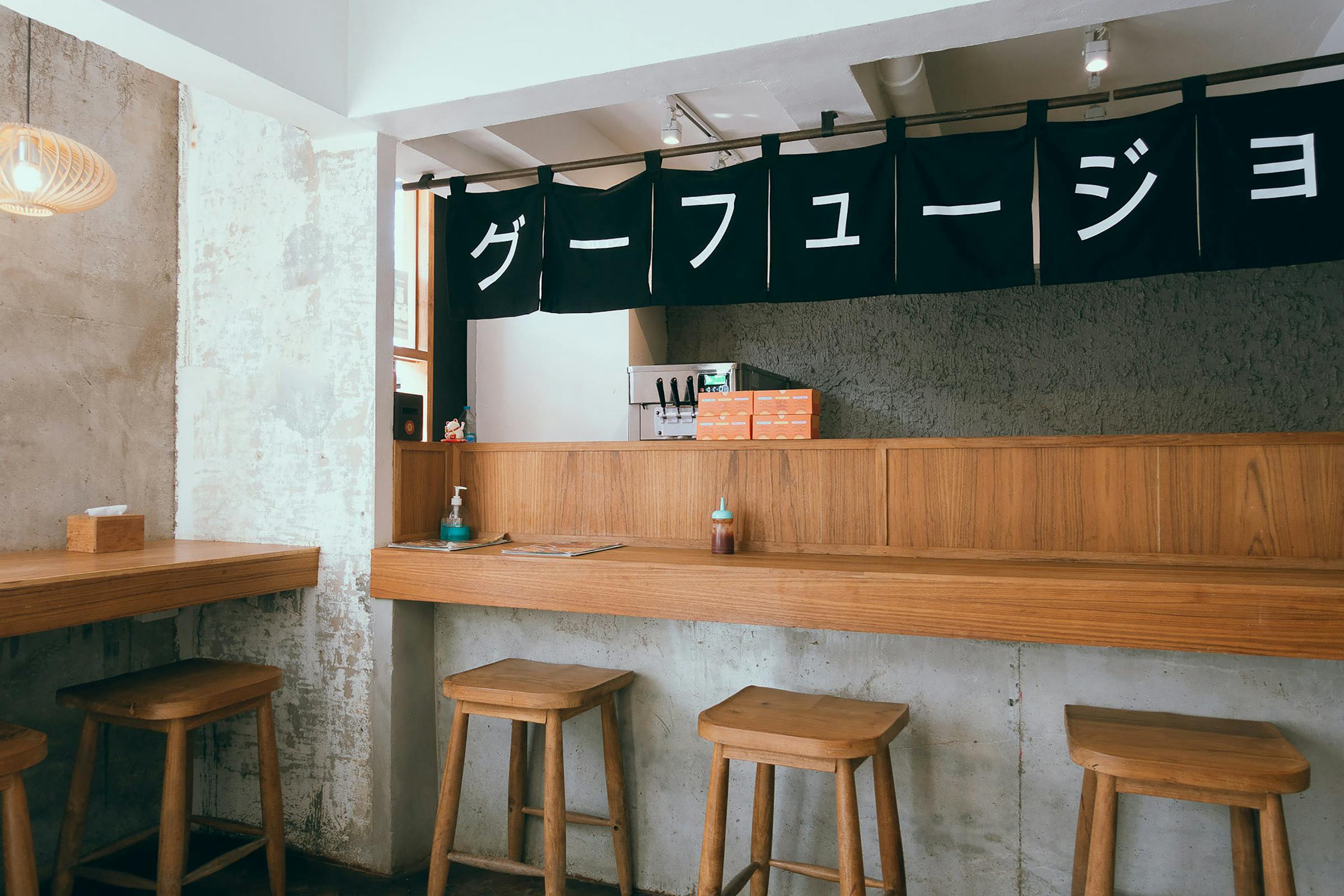
The room was designed with architect studio Kajita Atelier around a single directive: hold the meal, do not decorate it.
The counter is solid hinoki, replaced every twelve months. The walls are hand-finished plaster in a warm charcoal tone. Textiles are undyed linen. Lighting is indirect, angled down toward the counter surface so the food carries the room's colour.
Acoustics are tuned deliberately soft. Conversation travels across the counter but does not collide between tables.
Specific. Quiet. Trusted.
We maintain direct relationships with a small group of suppliers — a handful of brokers at Toyosu, a rice partner in Niigata, a knife-maker in Sakai, and a short list of local growers for seasonal garnishes.
Fish arrives from Toyosu four times a week. Rice is milled to order in small lots. Wasabi is fresh, grated at the counter. Shoyu and vinegar are selected by the chef and adjusted seasonally.
We do not disclose individual supplier names publicly. Some relationships are held quietly on purpose.